
CONSTRUCTION
The countries of the Middle East are rightfully considered the most dynamically developing regions of the planet. The enormous growth rates in the construction of residential, commercial and industrial facilities, taking into account the geographical location of the region, lead to a serious increase in energy costs.
Therefore, the problem of energy saving has become one of the most urgent. The main way to save energy resources in construction is to reduce heat loss through the enclosing structures of buildings and structures.

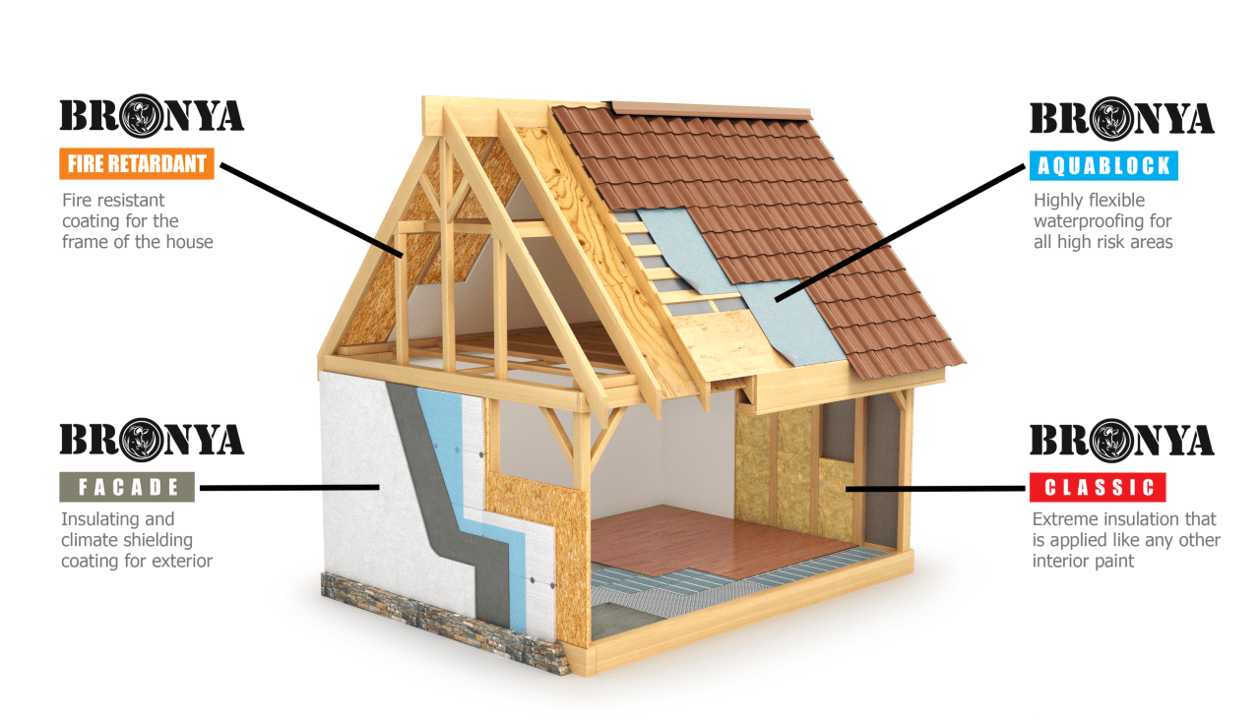
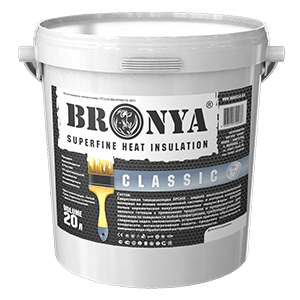
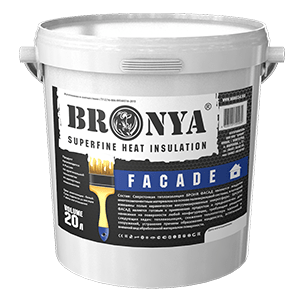
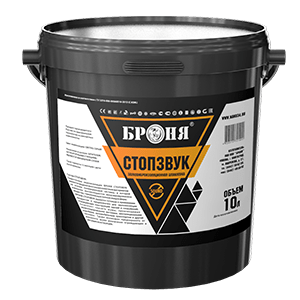
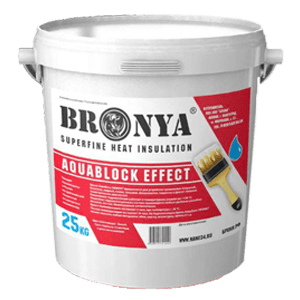
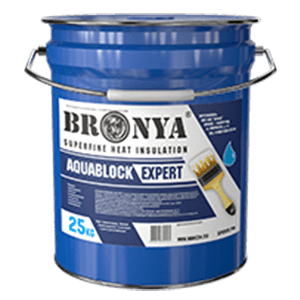
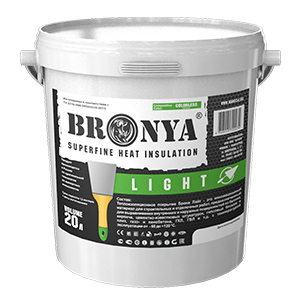
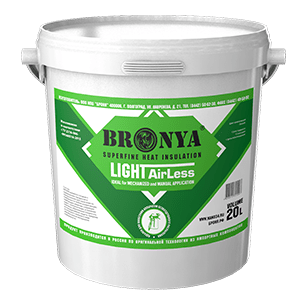
For thermal insulation of building facades, inter-panel seams, window and door slopes, loggias, balconies, protruding parts of metal and concrete structures, ends of monolithic floors, the ultrathin liquid ceramic thermal insulation “BRONYA” is ideal!

ALONG WITH THE OBVIOUS ADVANTAGES, OUR PRODUCTS ARE OF THE “INCOMBUSTIBLE” CLASS!
Construction areas:
- Thermal insulation of building facades during new construction, reconstruction and restoration;
- Thermal insulation of enclosing structures internal surfaces of residential and industrial premises;
- Thermal insulation of buildings roofs and structures, roofs of metal hangars and garages, attic floors;
- Thermal insulation of loggias, balconies, protruding parts of metal and concrete structures, ends of monolithic floors.

What tasks does it solve:
- Reducing heat loss;
- Protection from direct sunlight, prevention of heating of the interior;
- No additional load on the foundation;
- Creating more comfortable working conditions;
- Reducing air conditioning costs;
- The ability to isolate complex architectural facades;
- Protection from adverse weather conditions, weather events and preservation of the building structure from destruction;
- Equalizing the temperature of the exterior walls, getting rid of the enclosing structures from temperature fluctuations;
- Reduction of capital and operating costs during facade repairs, increase in the time interval between repairs;
- The possibility of coating in hard-to-reach places;
- Effective for protecting facades of buildings exposed to wind loads with high salt content (areas near the sea);
- Reduction of labor costs and work time compared to other technologies;
- Does not change the appearance of historical buildings facades;

Need a consultation?
Fill out the form and we will contact you and answer all your questions.